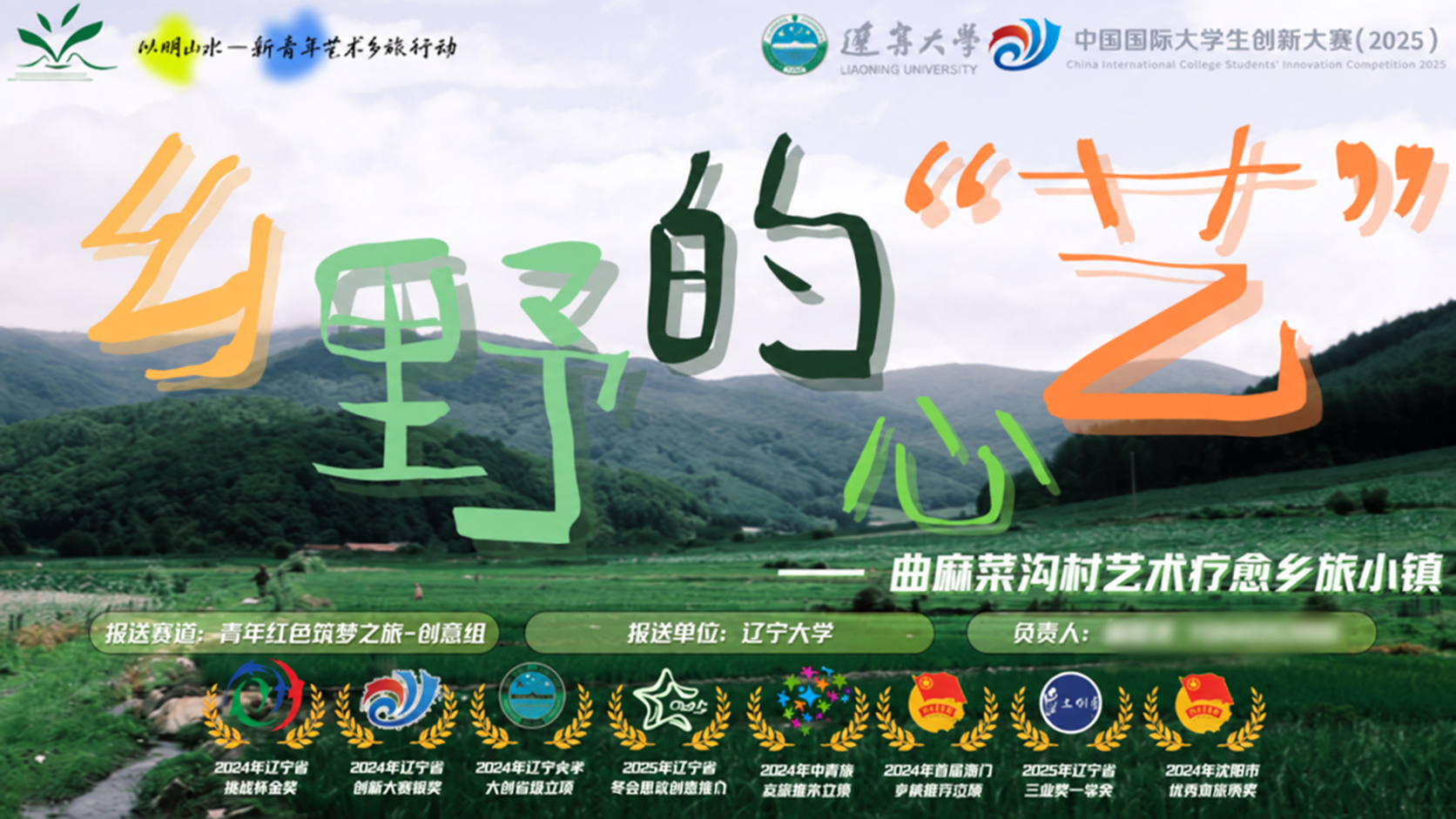
Background
A village with resources, but no mature tourism product
Qumacaigou Village had natural landscapes, local culture, and the potential for art therapy, but lacked a mature tourism foundation: the target audience was unclear, products were not yet structured, acquisition channels were unstable, and no model had been validated by real users. Through continued field practice, the team aimed to turn scattered rural resources into tourism products that different audiences could actually experience and purchase.
Goals
What needed to be solved?
I translated the broad project challenge into three product questions that could be validated step by step—from identifying users to building and operating products.
Find who will come
Identify core audiences from a broad visitor poolIdentify different travel needs and participation motivations.
Design why it is worth coming
Turn resources into productsCreate clear scenarios, experience flows, and reasons to purchase.
Validate how it can run
Recruitment · promotion · operationsIterate through real user feedback and operating results.
CORE ACTIONS
From user insight to operating delivery
Four actions connect audience definition and product design with growth validation and content-led reach.
Audience design
From visitors to three core audiences
During early research, I helped propose splitting the broad ‘rural visitor’ into three core audiences: youth weekend trips, corporate team building, and family art-learning. Each audience had a different core need, so I reorganised the same village resources into different product paths.
Youth weekend trips
Novelty · connection · short escapeBarbecue, karaoke, outdoor film, art, and outdoor activities formed a weekend product, while campus promotion and chartered transport lowered the travel barrier.
Corporate team building
Teamwork · connectionThe product shifted from sightseeing to teamwork, using outdoor tasks and collective activities to strengthen team connection.
Family art-learning
Nature learning · co-creationNature observation, colour, art practice, and sensory training gave the family trip an educational dimension.
Youth weekend trip
- DAY 1Lakeside camping · outdoor film
- DAY 2Interactive theatre · light movement
- DAY 3Free time · return
University healing trip
- DAY 1Meditation yoga · outdoor sketching
- DAY 2Interactive theatre · Zumba
- DAY 3Free time · return
Corporate team trip
- DAY 1Meditation yoga · outdoor team building
- DAY 2Mountain picking · team activities
- DAY 3Free time · return
Local artists
- 01Artist recruitment and registration
- 02On-site exchange and co-creation
- 03Work display and documentation
Product iteration
Using real feedback to move from V1.0 to V2.0
After the first university healing trip launched, I combined field observation, user interviews, 187 valid questionnaires, and public platform reviews. The problems clustered around pace, transitions, and activity capacity. I helped turn that feedback into actionable changes: optional meditation, split activity intensity, staggered small-group craft sessions, theatre observation, paper-and-online GSR access, and protected free time. The point was not to add more, but to return choice and pace to users.
Route design
Created a more coherent product path and reduced switching between activities.
Trip pace
Protected time for rest and free exploration.
Experience design
Used parallel options, observation, and appointments for different user states.
Campus acquisition
From waiting for users to validating campus acquisition
After the initial product iteration, the next question was where the target users were and how to reach them efficiently. For university audiences, I led offline promotion in high-density youth settings, introducing the product, speaking with users, and observing how different messages and channels performed so the approach could be adjusted.
Channel choice
Universities · youth settingsEnter high-density target-user settings instead of waiting for discovery.
Core actions
Offline promotion · user conversations · feedbackBring on-site user reactions back into the product and its messaging.
Validation questions
Interest · value proposition · motivationLearn who is interested, which value propositions work, and why users would sign up.
Content event
Expanding reach through a content event
To expand the project’s reach among young users, I helped plan the youth social content event Mama, I’m in Love, owning participant recruitment, event-flow delivery, on-site production follow-up, and short-video operations. Before the event, I aligned participants and the run of show around the event positioning; on site, I coordinated people, production, and the rural setting; after the event, I continued distributing short-video content and handling user enquiries. I broke the activity into four connected stages—recruitment, flow, production, and distribution—so on-site execution could lead into follow-up reach. I also paid attention to how the participant mix, event moments, and content framing could spark interest among young users. As the event moved forward, I connected content positioning, team coordination, and on-site execution: confirming participant, production, and setting relationships in advance, adjusting the flow to fit real conditions, and turning shareable moments into follow-up short videos. Rather than publishing tourism information alone, we used people, relationships, and story to make rural travel an event users wanted to watch and share.
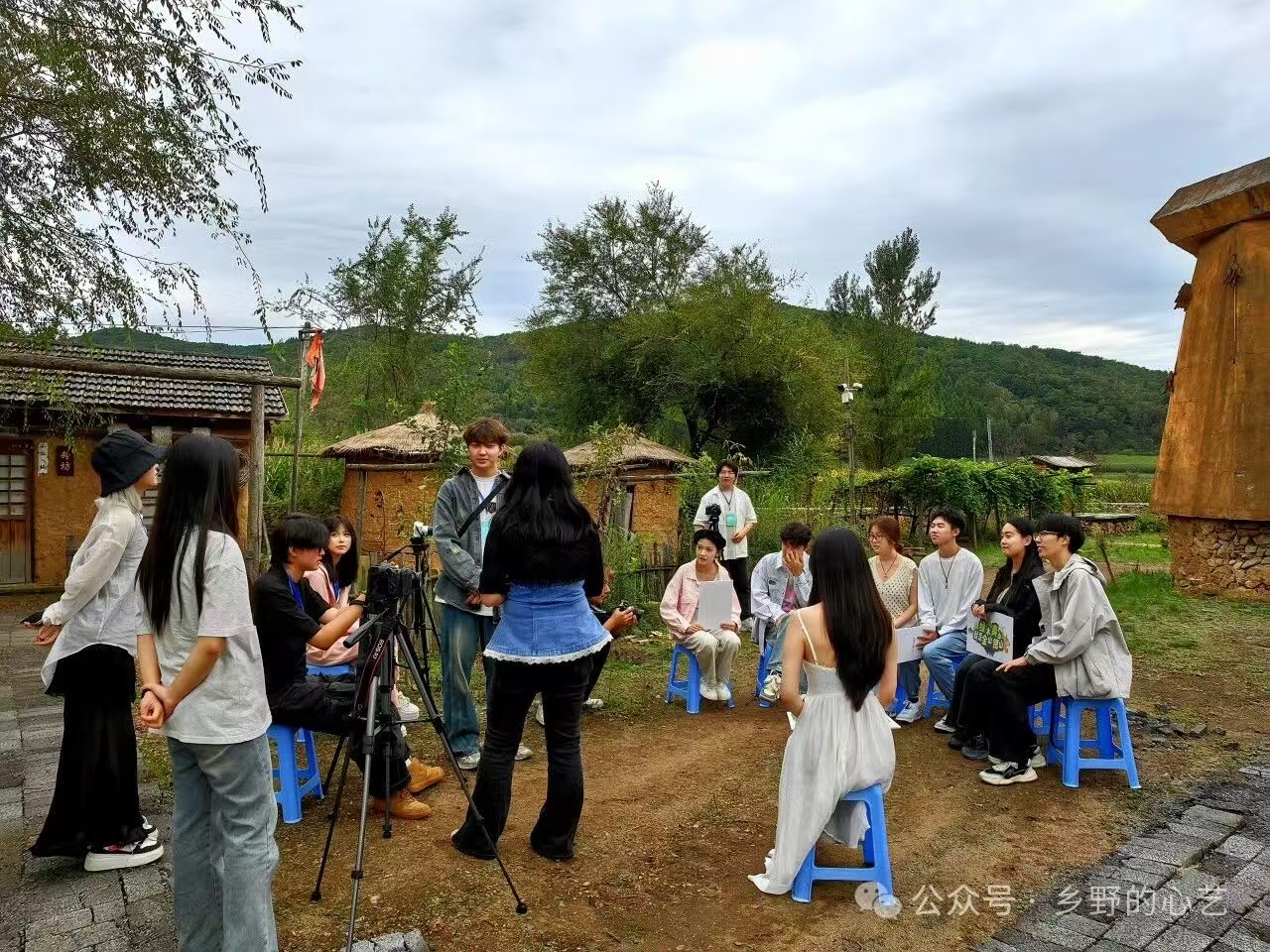
Participant recruitment
Selection and communicationRecruited participants and managed pre-event communication around the theme.
Event flow
Run of showFollowed content segments and the on-site run of show.
Production coordination
On-site follow-upCoordinated the production scene and followed people, settings, and content assets.
Short-video operations
2.1M+ views for episode oneDistributed the event content on short-video platforms and captured follow-up enquiries.
Result
From a rural experiment to an operating product system
From unclear products and audiences to structured segmentation, product design, user validation, and operational iteration, the project formed a product system covering youth weekend trips, corporate team building, family art-learning, and art therapy. In 2024, it welcomed approximately 1,440 visitors; after the university healing product moved from V1.0 to V2.0, its overall experience rating rose from 4.3 to 4.7 / 5. In the later stage, I expanded my scope from individual product delivery to overall promotion and on-site operations.
In an uncertain real-world setting, I used user insight, product iteration, content acquisition, and delivery operations to turn scattered resources into a verifiable, sustainable product system.
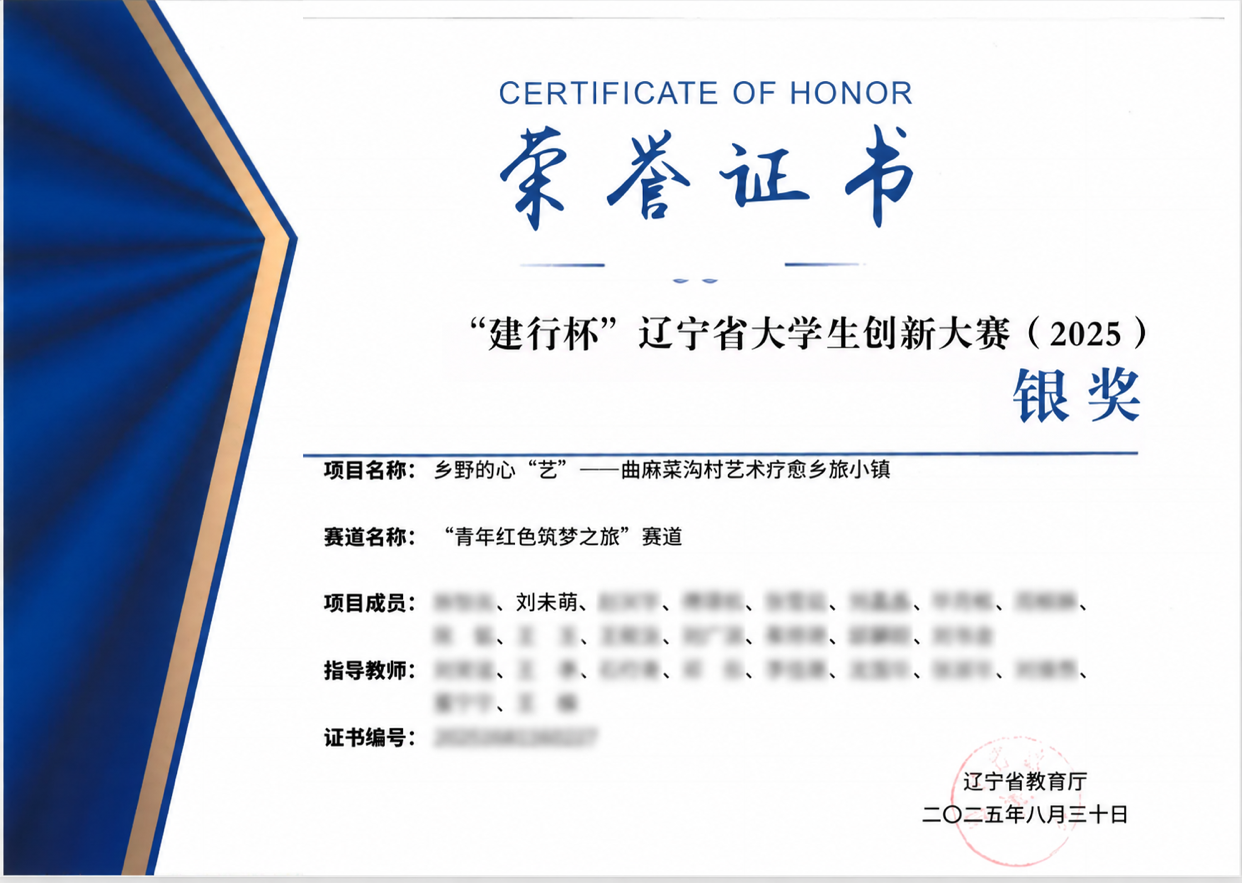
The project, rooted in the Qumacaigou Village art-therapy rural tourism town, participated in the 2025 CCB Cup Liaoning University Student Innovation Competition and received a Silver Award. This result shows that the project completed practical validation from audience segmentation and product design to event operations and delivery, while demonstrating the completeness of turning rural resources into a tourism product that could be evaluated, communicated, and recognised. For me, the award served as external validation of the project’s operating chain: I helped organise scattered resources into clear product scenarios and continuously improved the experience and reach through real operations.
Youth weekend trips
Short escape and connectionA weekend product for young visitors.
Corporate team building
Teamwork and event capacityA collaborative product scenario for corporate teams.
Family art-learning
Nature education and co-creationAn educational product scenario for families.
Art therapy
Art experience and restorationA healing product scenario for university and professional practice.
My contribution
What I contributed
My core contribution covered five areas:
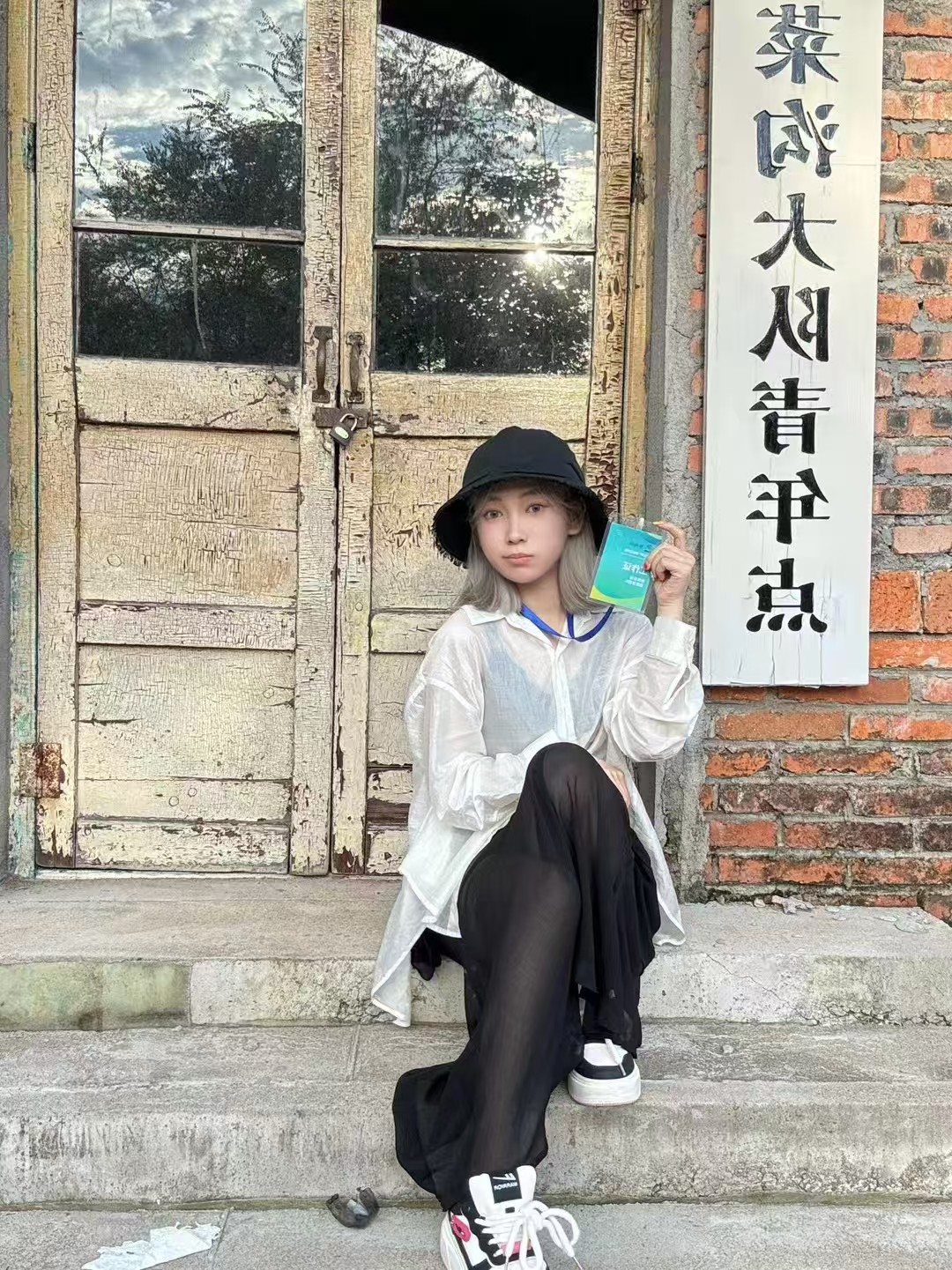
User and product strategy
LedHelped define the youth, corporate, and family segments and led the corresponding product design.
Product iteration
Helped driveHelped drive the university healing trip from V1.0 to V2.0 and improved the itinerary and experience structure.
Growth and acquisition
LedLed campus promotion and validated reach and conversion paths for young audiences.
Event and content operations
OwnedOwned participant recruitment, event flow, production follow-up, and short-video operations for Mama, I’m in Love.
Overall project operations
Led later stageLed overall promotion and delivery in the later stage to keep the product operating.